

What to Read About Betting in 2026

A selection of books for beginners and betting geeks.

There is an enormous amount of betting-related material available online, but the main issue with most of it is the lack of structure and, in many cases, questionable accuracy. More often than not, such content is also designed to promote specific platforms rather than to educate.
That is why beginners and anyone looking to improve their betting skills should turn their attention to books. Authors tend to systemise and structure information, making it far easier to absorb. The range of literature is broad: some writers focus on bankroll management and basic betting concepts, while others dive deep into mathematical and statistical analysis.
We have selected five books that will be useful both for readers who have never thought about flat stakes or betting strategies and for those who approach betting in a more thorough and analytical way.
The Everything Guide to Sports Betting — Josh Appelbaum
One of the most accessible books from the Everything series, aimed at those taking their first steps in betting. Appelbaum explains all the core terminology: odds formats, types of bets, and the essential knowledge needed by someone who previously only placed wagers on their favourite team to win.
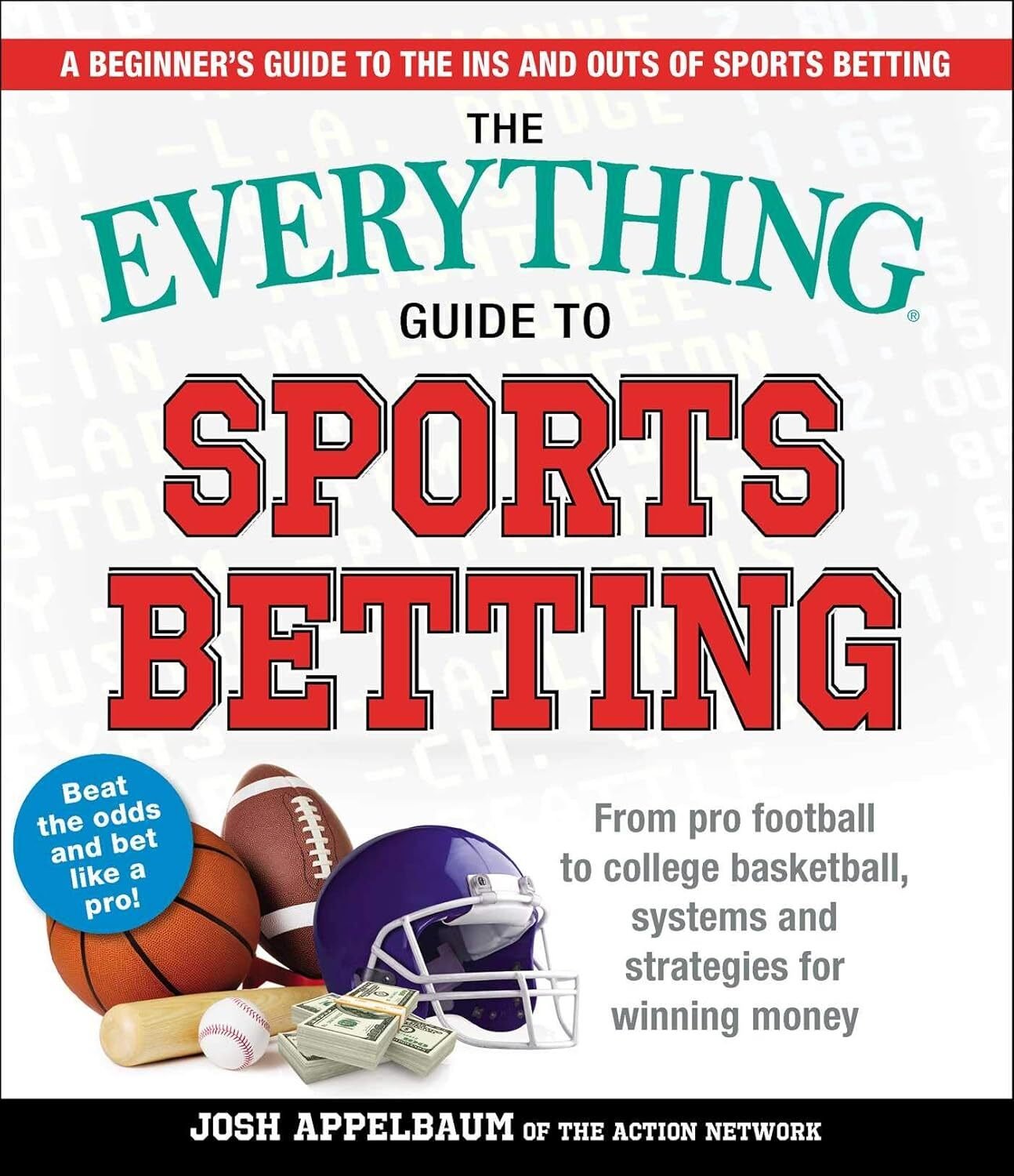
The author writes in clear, straightforward language, avoiding an overload of jargon, statistics or complex phrasing. Each chapter includes plenty of examples from different sports. The book was published in 2019 and features several specialised sections, such as How to Bet on the NBA or How to Bet on the NFL. One notable highlight is a separate chapter on fantasy sports, a segment that has grown rapidly in recent years.
The main drawback of The Everything Guide to Sports Betting is its attempt to cater to everyone. Experienced bettors may find a few interesting insights, but much of the book can be skimmed. On the other hand, revisiting the basics is never a bad thing. Repetition is the key to learning.
The Logic of Sports Betting — Ed Miller
Ed Miller’s book, also released in 2019, is a more advanced read for bettors. Its biggest strength lies in the absence of any so-called best strategy, instead focusing on a conceptual understanding of gambling.
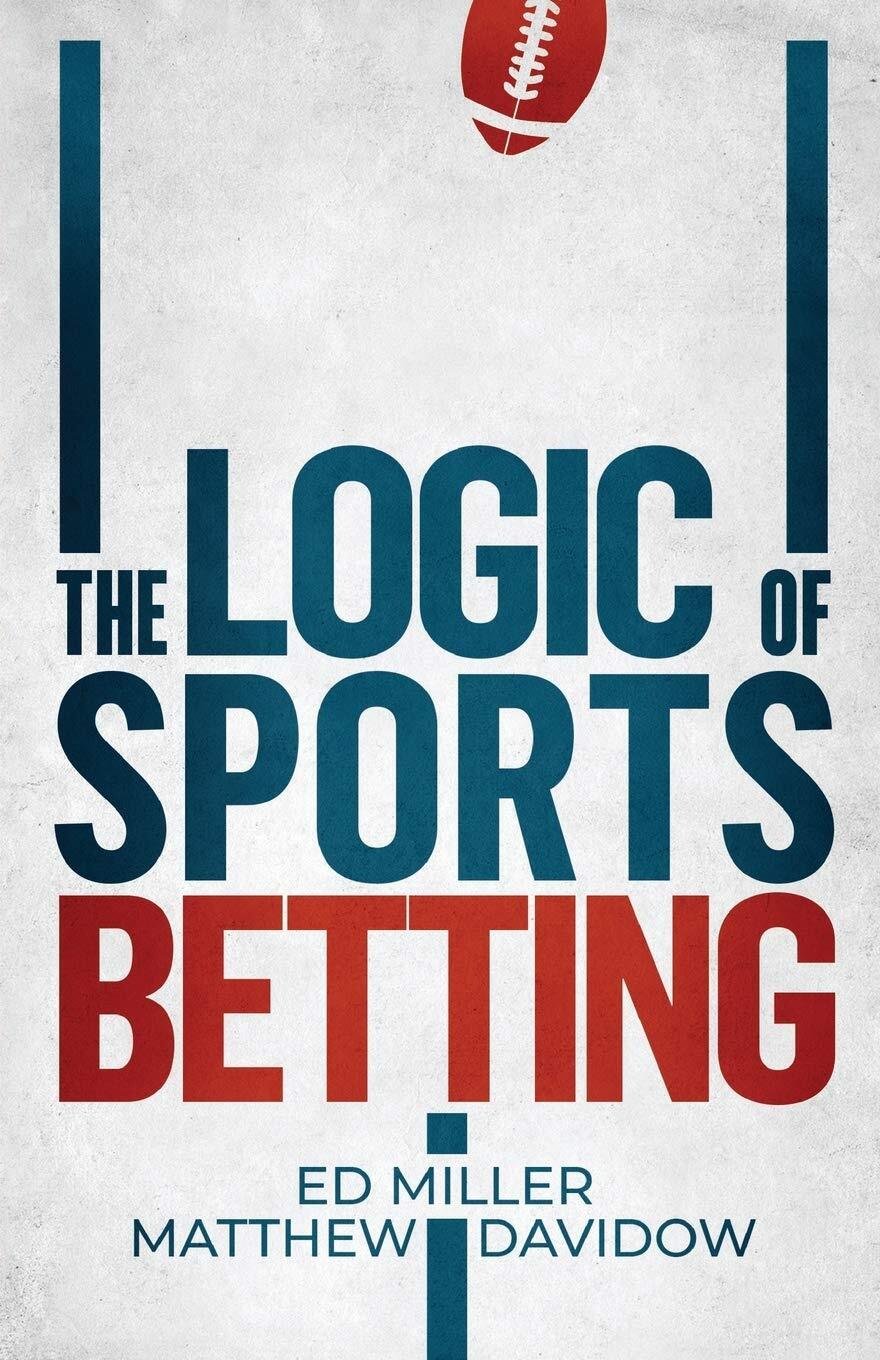
Miller encourages bettors to step away from the mindset of a sports fan and provides solid tools for understanding why markets are shaped the way they are. He explains whether it is worth backing certain odds or if market movement is likely to shift the value away from the player.
At the same time, the book’s depth is also its main weakness. It is not suitable for complete beginners, yet it may also feel underwhelming for hardcore statistical analysts. Even so, The Logic of Sports Betting contains plenty of useful material, and the chapter on live betting is one of the strongest sections of the book.
Fixed Odds Sports Betting — Joseph Buchdahl
Buchdahl’s book was published back in 2003, but it remains relevant today. Among all the titles on this list, it is arguably the most demanding, with a strong emphasis on statistical forecasting, probability theory and bankroll management.
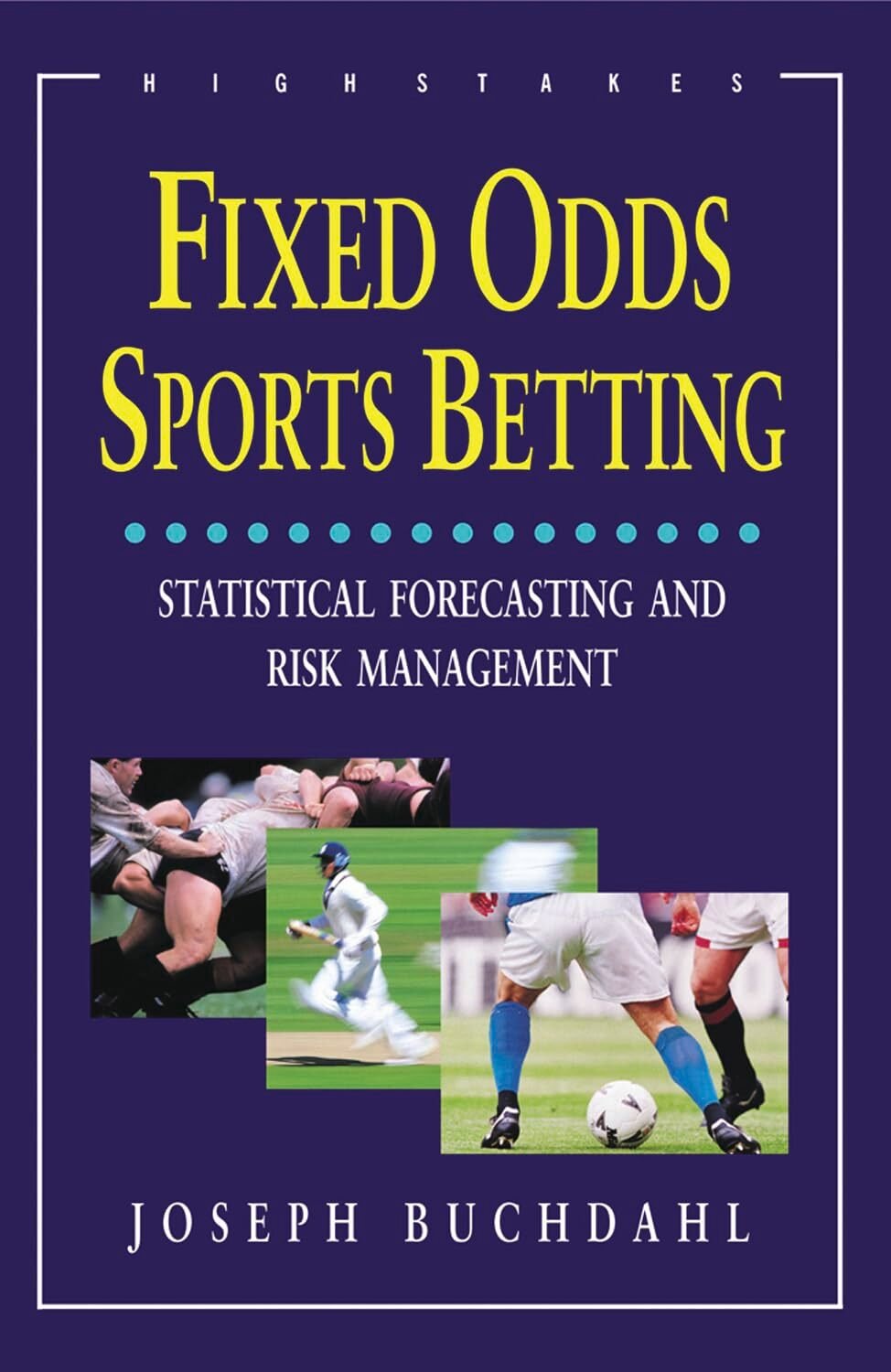
It is safe to say that beginners are better off approaching this book only after becoming familiar with the basics of betting. Experienced bettors, however, will find an excellent guide to risk diversification, volatility and other concepts that are valuable not only in betting but also in business.
This also explains the book’s main downside: it is not something you can casually flick through with a cup of coffee. Readers without an economics or statistics background may struggle with the terminology, theories and specialised language. Nevertheless, despite its age, Buchdahl’s work remains one of the strongest books in both theoretical and practical terms.
Squares and Sharps, Suckers and Sharks — Joseph Buchdahl
A kind of follow-up to Fixed Odds Sports Betting, published in 2016. Here, Buchdahl continues his semi-academic exploration of betting, adopting a lighter writing style while shifting the focus towards psychology, ethics and related disciplines.
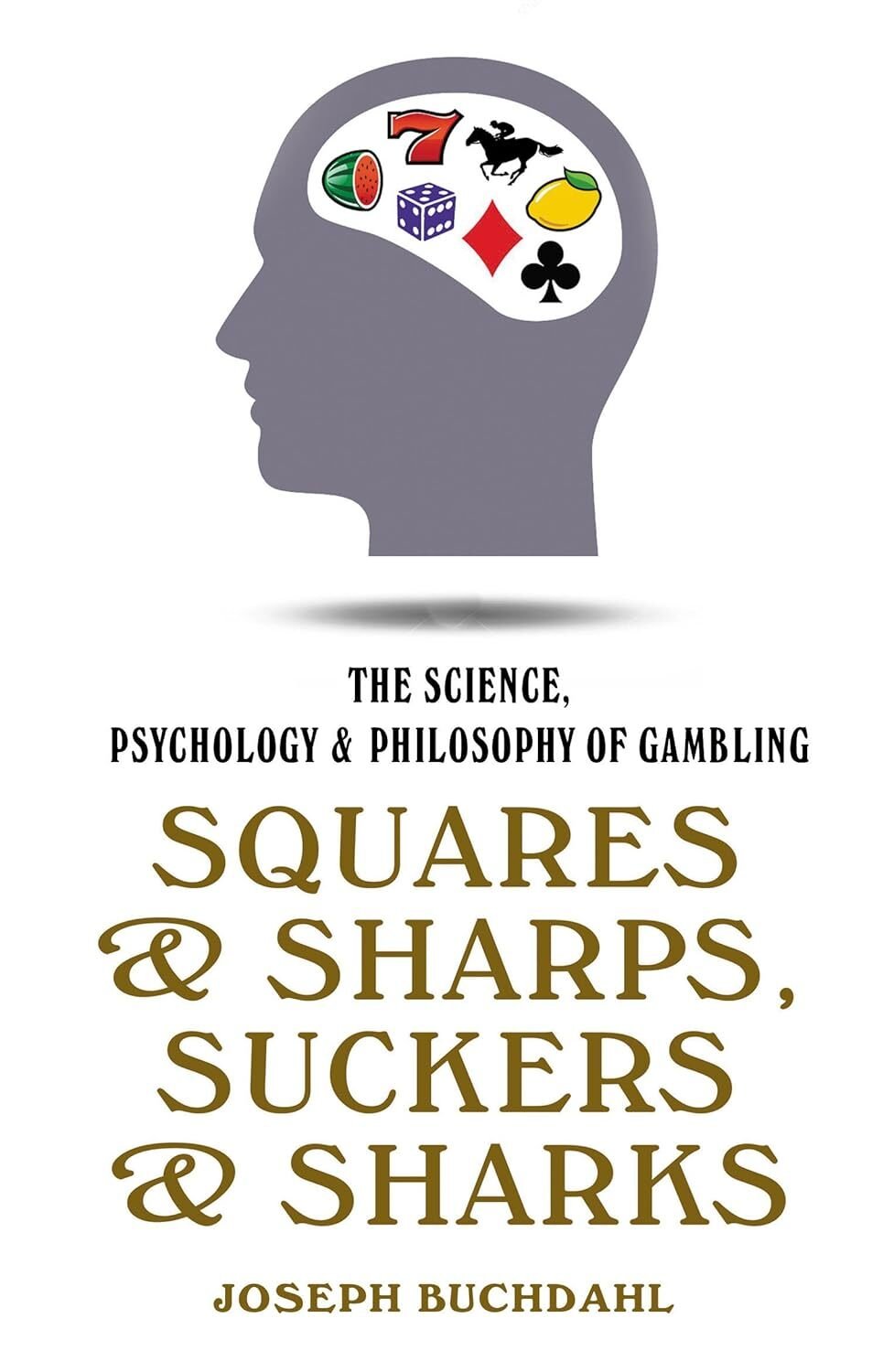
If, after reading Buchdahl’s earlier work, the desire to study betting from a theoretical perspective remains, this book is a natural next step. The author makes it clear from the outset that he will not present any guaranteed winning strategies, but instead teaches readers how to view betting through a professional lens.
That claim is somewhat debatable, given the eclectic mix of theories and disciplines packed into around 300 pages. On the plus side, the book works well as a reference for selective reading. Unfortunately, the chapter titles are written in a rather abstract style, making it difficult to immediately understand what each section covers.
Trading Bases — Joe Peta
The most narrative-driven book in this selection, in which Peta talk about adapting fintech strategies to baseball betting. It combines elements of the author’s personal history with a structured analysis of individual cases.
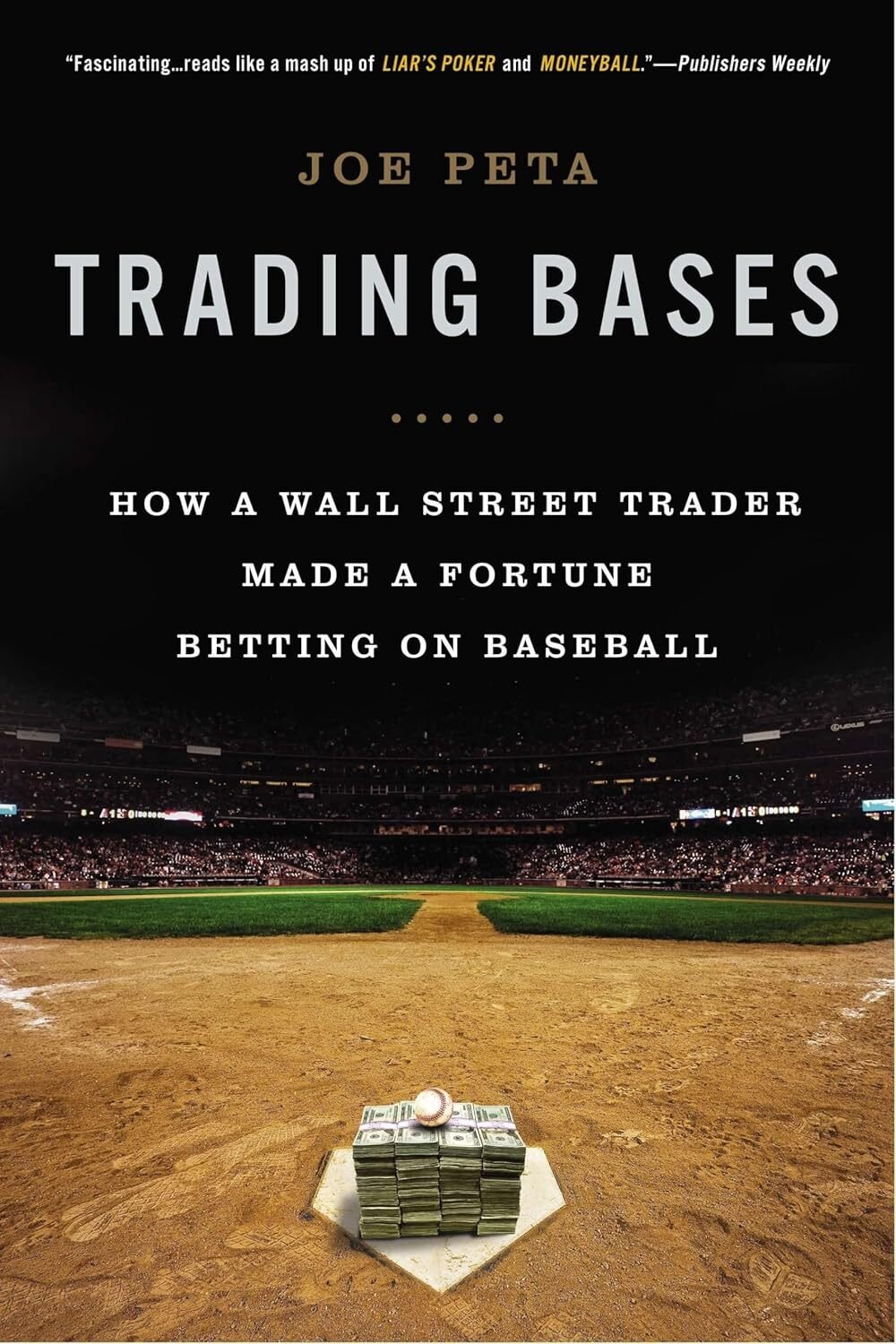
Although the book focuses on Major League Baseball, Peta repeatedly emphasises that his approaches can be applied to other sports and competitions. That said, it is worth remembering that he is a former trader with an economics background, and adapting financial market models to something like football’s Champions League would be challenging even for experienced bettors.
On the other hand, the book stands out for its easy-going style. Unlike Buchdahl’s heavier works, Trading Bases is a relatively straightforward and enjoyable read. It is also well suited to fans of biographies and memoirs, even if you have no idea how many teams compete in Major League Baseball.
There are many more betting books available online, ranging from introductory guides for beginners to highly specialised literature. We have aimed to strike a balance, including both foundational works and titles that will appeal to betting geeks and fans of statistical theory.
Read more:


